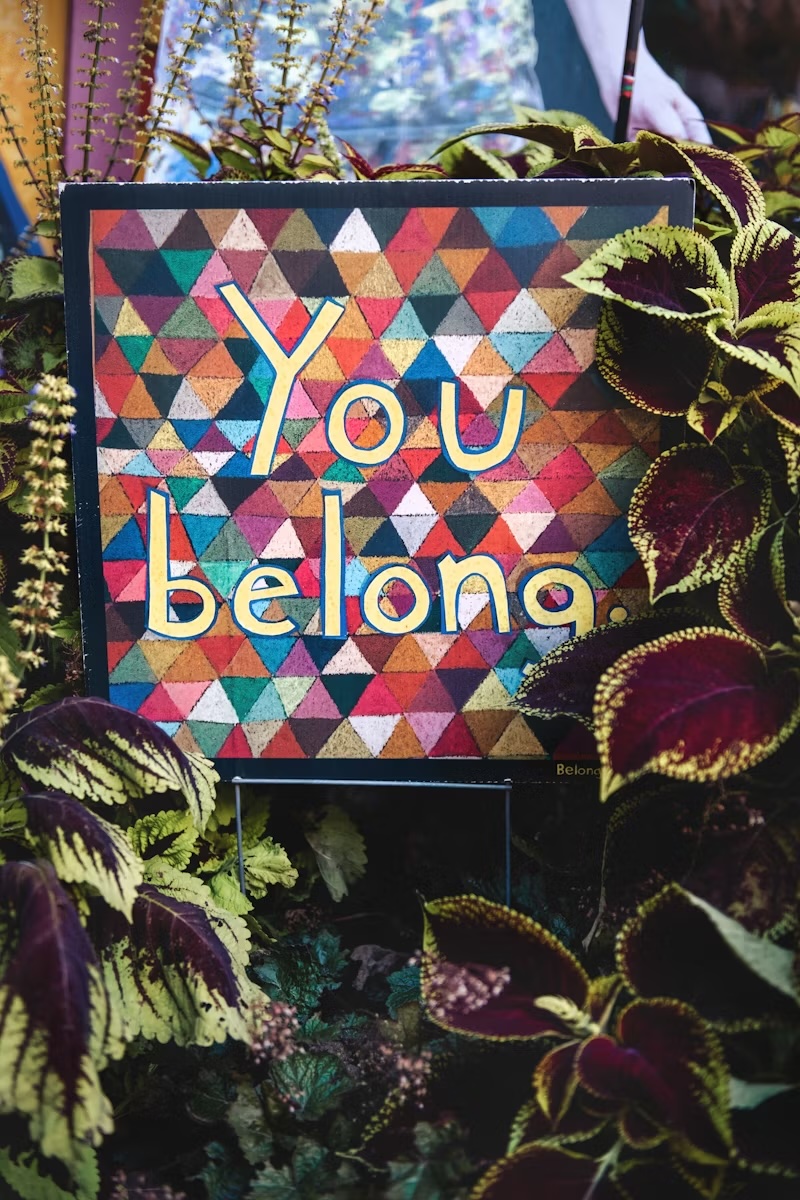
Building Cultures of Belonging
Beyond diversity and inclusion metrics lies the deeper work of creating workplaces where everyone can truly belong. Here's how to start.
We've made progress on diversity and inclusion. We track representation numbers. We celebrate heritage months. We implement training programs. Yet many organizations still struggle with a more fundamental challenge: creating genuine belonging.
Belonging isn't measured in demographics or training completion rates. It's felt in the daily experience of being valued for who you are, not just what you produce. It's knowing you can bring your full self to work without fear of judgment or marginalization.
The Difference Between Inclusion and Belonging
Inclusion means you're invited to the table. Belonging means your voice matters once you're there. It's the difference between being physically present and being psychologically safe. Between being tolerated and being celebrated.
You can have a diverse, inclusive workplace where people still don't feel like they belong. Where they code-switch to fit in. Where they stay quiet in meetings because they've learned their perspectives aren't valued. Where they leave after a few years because the emotional labor of not belonging becomes too exhausting.
What Belonging Looks Like
In cultures of belonging, people feel safe taking risks. They share ideas without fear of ridicule. They ask for help without worrying it will be seen as weakness. They can disagree with the majority view and be heard rather than dismissed.
Belonging shows up in how meetings are run—who gets called on, whose ideas get credit, who gets interrupted and who doesn't. It's visible in promotion patterns, in who gets stretch assignments, in whose communication style is considered "professional."
The Work of Building Belonging
Creating belonging requires more than policy changes. It demands examining the invisible norms that shape organizational life. Who do we hire? How do we evaluate performance? What behaviors do we reward? Whose communication style do we privilege?
It means leaders must do their own work first. Examining their biases. Noticing who they gravitate toward and why. Understanding how their own identity shapes their experience of the workplace—and recognizing that others' experiences may be dramatically different.
Starting Points
Building belonging starts with listening. Not listening to respond or to defend, but listening to understand. Creating spaces where people can share their experiences honestly without fear of retaliation or dismissal.
It means examining your organization's unwritten rules. What does success look like here? Who gets ahead? What behaviors are celebrated? What communication styles are considered "professional"? These unwritten rules often favor certain groups while creating barriers for others.
It requires measuring what matters. Not just representation numbers, but retention rates across different groups. Promotion patterns. Who speaks in meetings and whose ideas get implemented. Employee engagement scores broken down by demographic groups.
The Long Game
Building cultures of belonging isn't a program you implement or a box you check. It's ongoing work that requires sustained commitment, especially when it's uncomfortable. When it challenges your own assumptions. When it means changing practices that have "always worked."
But the organizations that do this work don't just become better places to work. They become more innovative, more resilient, and more successful. Because when people truly belong, they bring all their talent, creativity, and energy to their work.
The question isn't whether your organization values diversity and inclusion. It's whether your people feel like they belong.